

Sheet 04 / How it works
Eight stages, one continuous record.
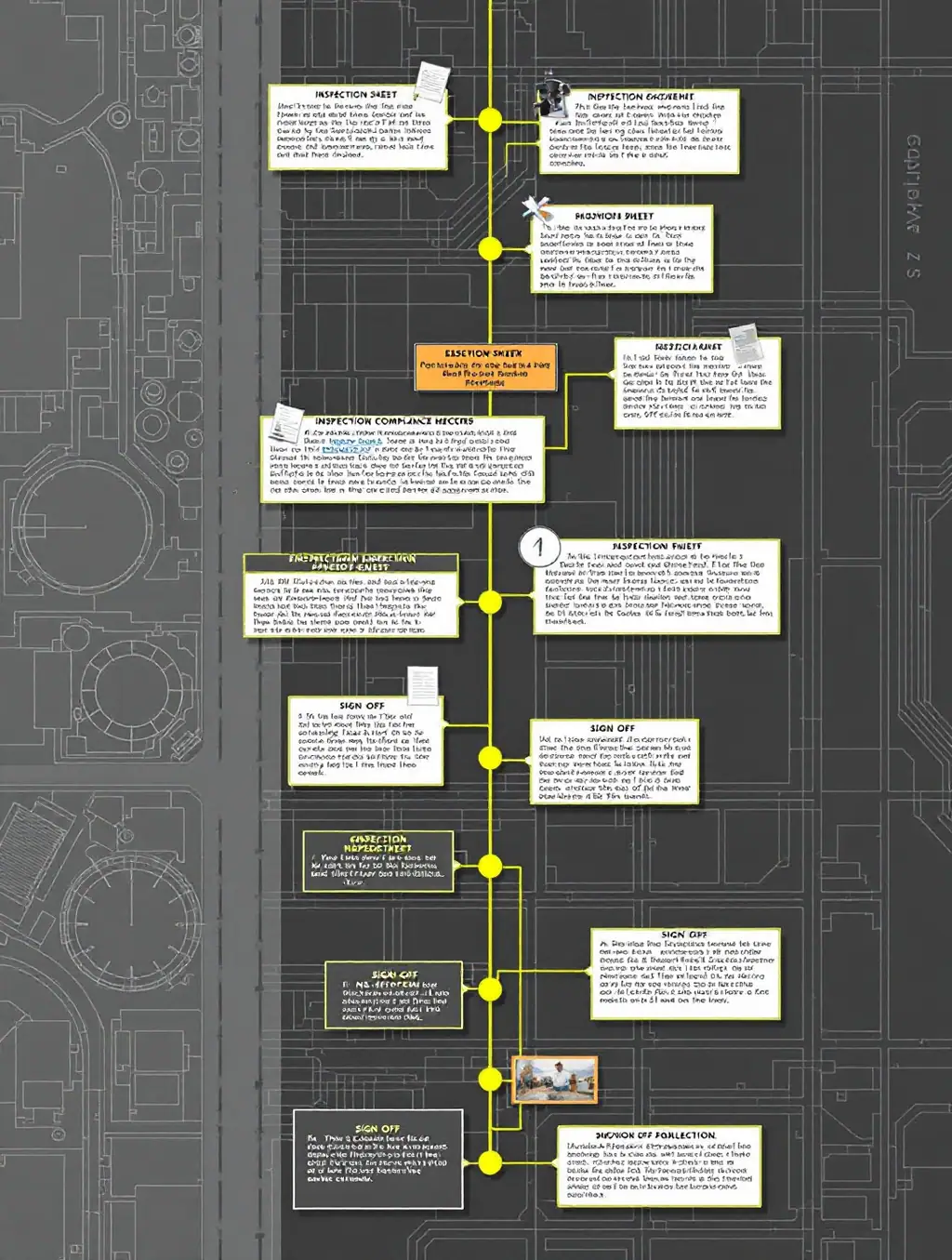
This is the sequence a site compliance record follows. Each stage produces something concrete, and each stage has a limit on what the software is doing.
- Set up
- Issue
- Review
- Capture
- Evidence
- Sign
- Follow up
- Retain
Sheet 04 / A — Revision sequence
The record, revision by revision.
- 01 Rev A
Set up the record
Decide what needs to be recorded, and in what structure. Checklists, talk topics and document types are configured so the same thing is captured the same way every time.
Limit Configuration is agreed with the business and reflects the deployed product scope.
- 02 Rev A
Issue the requirement
A prepared document, a talk or a scheduled check is issued to the relevant people. The issue itself becomes part of the record.
Limit Documents are prepared outside the platform by competent people before issue.
- 03 Rev B
Field user reviews
The person doing the work opens what has been issued to them, on the device they already carry, at the point where the work is happening.
Limit Reviewing a document is not the same as understanding or being competent to carry out the work.
- 04 Rev B
Capture information
Status, notes and observations are entered against structured fields while the work or the check is in front of them.
Limit The quality of a record depends entirely on what the person entering it records.
- 05 Rev B
Attach evidence
Photographs are captured against the specific record and item they relate to, so the picture keeps its context.
Limit Association is recorded. No claim is made about location, provenance or evidential status.
- 06 Rev C
Acknowledge / sign
Acknowledgement is recorded, and where sign-off is part of the configured workflow, the signing step is captured against the same record.
Limit Legal requirements for signatures, consent and competence vary by context.
- 07 Rev C
Follow up actions
Items needing attention are carried forward with a status, rather than ending when the form is submitted.
Limit Deciding what action is appropriate remains a matter for competent people in the business.
- 08 Rev D
Retain record
The completed record is retained in a consistent structure so it can be found again when somebody asks for it.
Limit Retention periods and data handling remain the responsibility of the business as data controller.
Sheet 04 / B
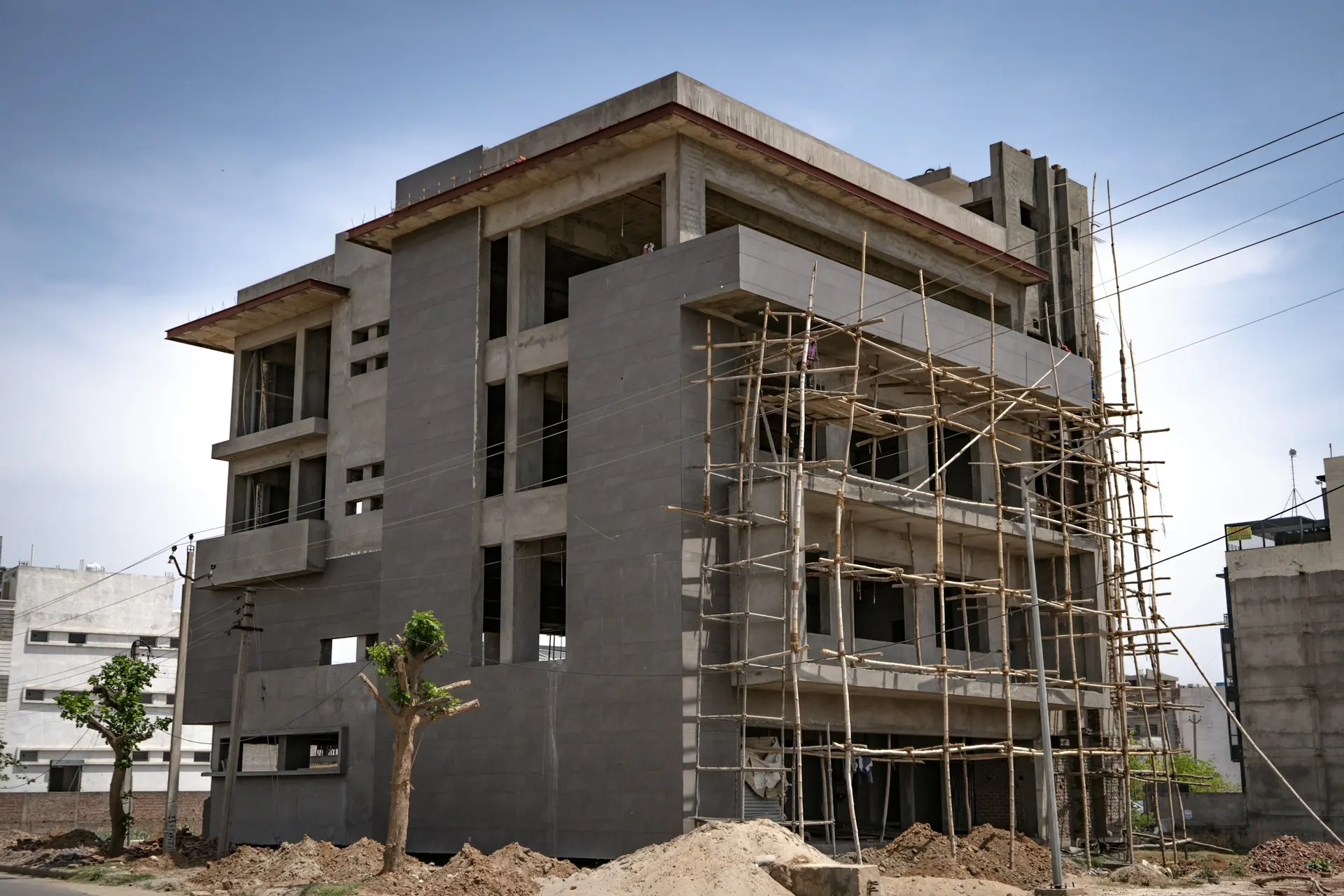
What this looks like on a real site.
The stages above are the structure. In practice they happen between a seven o'clock start and a four o'clock finish, in whatever order the work demands.



Sheet 09 / Site evidence timeline
One day, as a site record.
This is what a structured day looks like when the record is captured as the work happens rather than reconstructed on a Friday afternoon.
Illustrative interface — example data
- 07:31
RAMS issued
Method statement issued to the working party.
Issued - 07:46
RAMS acknowledged
Acknowledgement recorded against the document.
Acknowledged - 08:02
Toolbox talk completed
Topic, attendance and acknowledgement stored together.
Complete - 10:18
Site inspection recorded
Repeat checklist completed; three items flagged.
Attention - 10:21
Photo evidence attached
Photographs associated with the flagged items.
Evidence - 13:44
Action updated
Follow-up action progressed and noted.
Attention - 16:12
Record closed
The day’s record retained in a consistent structure.
Recorded
Sheet 04 / C
What does not change.
Moving a record from paper to a phone changes how the record is created. It does not change who is responsible for the work, who must be competent, who supervises the site or what the law requires.
Built Still is designed to make the record easier to produce, more consistent and easier to find. Everything else stays exactly where it was.

Next step
What does your site team still record on paper?
Tell us how your business currently handles RAMS, toolbox talks, inspections, incidents and site evidence.